
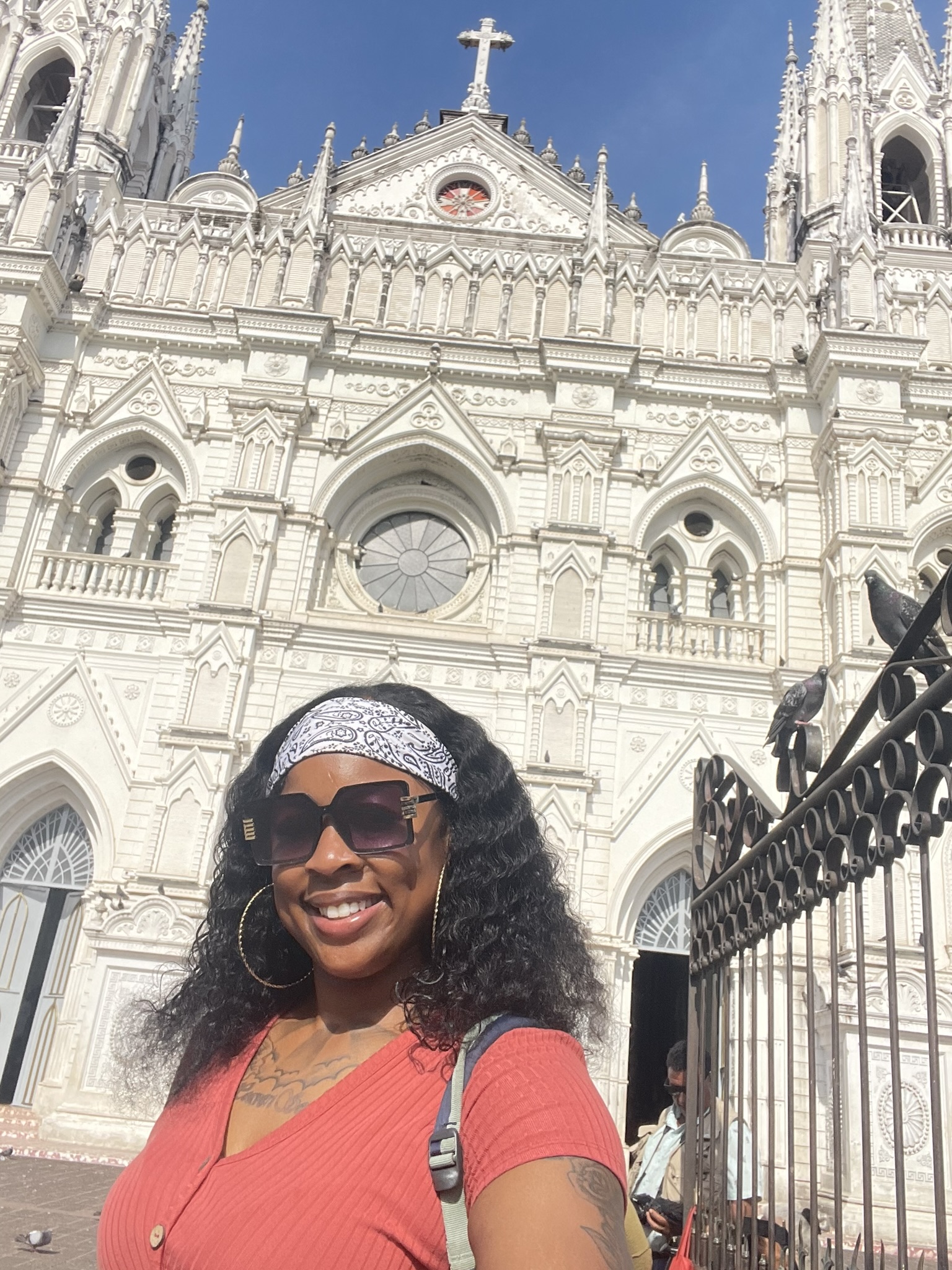
Step 1: Know Why You’re Traveling
Before you book a flight or even open Google Flights, take a moment to ask yourself why you want to travel. Is it for freedom? Healing? Curiosity? Self-discovery? There’s no wrong answer — but knowing your reason gives your journey purpose.
When your “why” is clear, it becomes your anchor. It helps you stay grounded when plans fall apart, when you get lonely on the road, or when unexpected challenges hit. Traveling without purpose can feel like running away; traveling with intention feels like transformation.
Write your “why” down. Keep it in your journal or notes app. Let it guide your decisions about where you go, how long you stay, and what you say yes or no to.
Step 2: Prepare Your Mind, Not Just Your Bag
Most people obsess over what to pack — but the most important thing to prepare is your mindset. Travel will test your patience, flexibility, and comfort zone. You’ll get lost, you’ll feel uncomfortable, and you’ll have to trust yourself in new situations. That’s the magic of it.
Start building mental resilience now.
- Read stories from other travelers.
- Practice being open-minded and adaptable.
- Remind yourself that things won’t always go as planned — and that’s okay.
A traveler’s mindset is equal parts courage and curiosity. When you prepare your mind for the unknown, every trip becomes a classroom, every city becomes a teacher, and every mistake becomes a lesson.
Step 3: Release the Need for Control
Travel will humble you — quickly. Flights get delayed, plans fall apart, maps stop working, and sometimes the thing you were most excited about doesn’t happen at all. Learning to release control is one of the most important mindset shifts you can make before traveling.
Instead of asking, “How do I make everything go perfectly?” start asking, “How do I stay grounded when things don’t?” Flexibility is a travel skill. So is trusting yourself to adapt.
When you let go of rigid expectations, you create space for unexpected moments — the ones that usually become your favorite memories. Some of the best experiences on the road aren’t planned; they happen when you allow the journey to unfold as it’s meant to.
Step 4: Trust Yourself More Than the Fear
Fear will always try to come along for the ride. Fear of the unknown. Fear of safety. Fear of being alone. Fear of making the “wrong” decision. The goal isn’t to eliminate fear — it’s to stop letting it drive.
Travel teaches you self-trust in real time. Every time you navigate a new city, solve a problem, or choose yourself anyway, your confidence grows. You realize you’re more capable than you thought.
Listen to your intuition. Do your research. Take precautions — but don’t let fear keep you from experiencing the life you’re called to live. Confidence isn’t loud; it’s quiet, steady, and built through action.
When you trust yourself, the world opens up.
Final Thoughts: The Journey Starts Before You Go
Travel isn’t just about where you’re going — it’s about who you’re becoming along the way. Before the passport stamps, the plane tickets, and the photos, there’s a quiet inner decision to trust yourself enough to step into the unknown.
When you know why you’re traveling, prepare your mind, release the need for control, and choose trust over fear, travel becomes more than a getaway — it becomes a teacher. Every trip sharpens your intuition, stretches your comfort zone, and reminds you that you’re capable of more than you think.
You don’t have to have it all figured out. You just have to be willing to start.
Wherever your next journey takes you, let it meet you as you are — open, curious, and ready.
Every trip starts before the plane ever leaves the ground. The mindset, the intention, and the quiet preparation matter just as much as the destination.
If you enjoy reflections like this — the thoughts before the journey, the lessons during, and the growth after — you can follow the blog or join the newsletter .
Leave a Reply